Home
Home Sewing, Embroidery & Serger
 Cutting machines
 Dress Forms
 Brands
 Review

A reader emailed me last week with a question I hear all the time: “I want to start sewing, and I love the look of monogrammed towels and embroidered jackets. Should I buy a sewing machine, an embroidery machine, or one of those combination units?” I have owned all three types, so here is how I think about it.
What Each Machine Is Actually For
A sewing machine joins fabric and finishes seams. An embroidery machine stitches designs into fabric, controlled by a computer. A combination machine does both, but usually with a smaller embroidery area than a dedicated embroidery machine. I did not appreciate the difference until I tried to use a small hoop for a jacket back.
Why I Usually Suggest a Sewing Machine First
If you have never sewn before, a plain sewing machine teaches the skills every project depends on: tension, seam allowances, pressing, and reading a pattern. Embroidery adds a second layer of learning, including stabilizers, hooping, thread choice and design digitizing. Trying to learn everything at once is how machines end up in a closet. Our best sewing machines for beginners guide lists the simple, reliable models I would start with.
When a Combination Machine Makes Sense
If your goal is personalized gifts, monograms and small logos, a combination machine gives you both in one box for less than buying two machines. My personal experience: the sewing side is fine for everyday projects, and the embroidery side handles small designs beautifully. Wireless design transfer, which is now common on newer models, is a big quality-of-life feature. I can send a design from my laptop to the machine without hunting for a USB stick.
The limit is hoop size. Most combination machines embroider a small area, which is perfect for chests, pockets and towels, but frustrating for large jacket backs or quilt blocks. Read the hoop size on any machine before you buy, because it decides what you can make. We compare current combination and embroidery-only models in our best sewing and embroidery machines guide.
When an Embroidery-Only Machine Wins
If you already own a sewing machine you love, a dedicated embroidery machine can be the better upgrade. It usually offers a larger hoop, more designs and faster stitching, and you do not pay for sewing features you already have. I keep one for logo and monogram work, and I use it far more than I expected.
Do the Numbers Support a Hobby Like This?
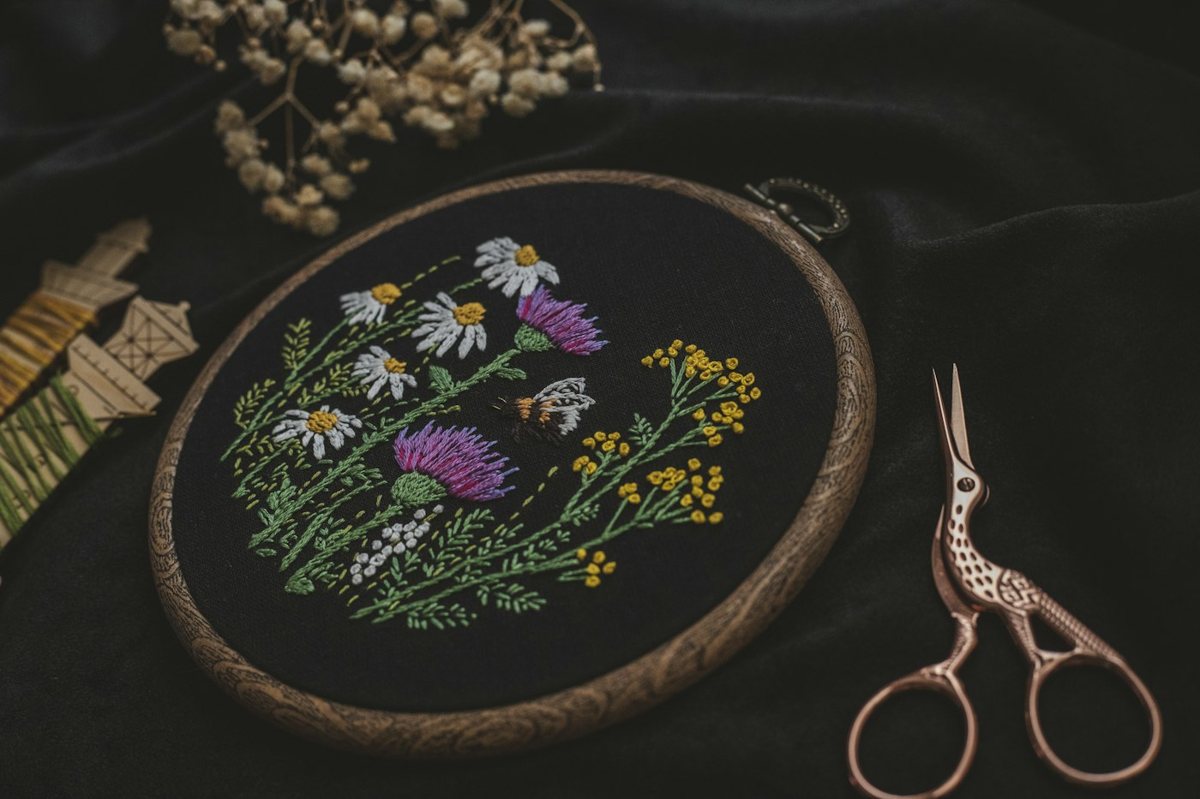
Crafts are more popular than most people assume. Statista tracks crafts and creative activities in the United States, and its consumer surveys show that a meaningful share of Americans list DIY and arts and crafts among their regular hobbies. That popularity is part of why the machines have improved so quickly and why you can now buy a capable embroidery unit at a sensible price.
What Beginners Underestimate About Embroidery
Embroidery looks effortless in photos, but the setup matters. Fabric has to be hooped tightly, and most fabrics need a stabilizer underneath or the design puckers. Thread choice and needle size matter too. On my first monogram, I skipped the stabilizer and the letters sank into the towel, so I had to unpick the whole thing. Now I treat hooping and stabilizing as half the project, and my results improved immediately.
A Budget Way to Decide
If money is tight, spend it where the skill is. A dependable sewing machine will be used on nearly every project, while embroidery is a special-occasion feature for many people. If you have room in the budget and clear projects in mind, such as team jackets, baby blankets or branded aprons, add embroidery from day one. Think about the hoop size, the number of built-in designs and whether you can load your own files. Those three features matter far more than the marketing numbers on the box.
Real Costs Beyond the Machine
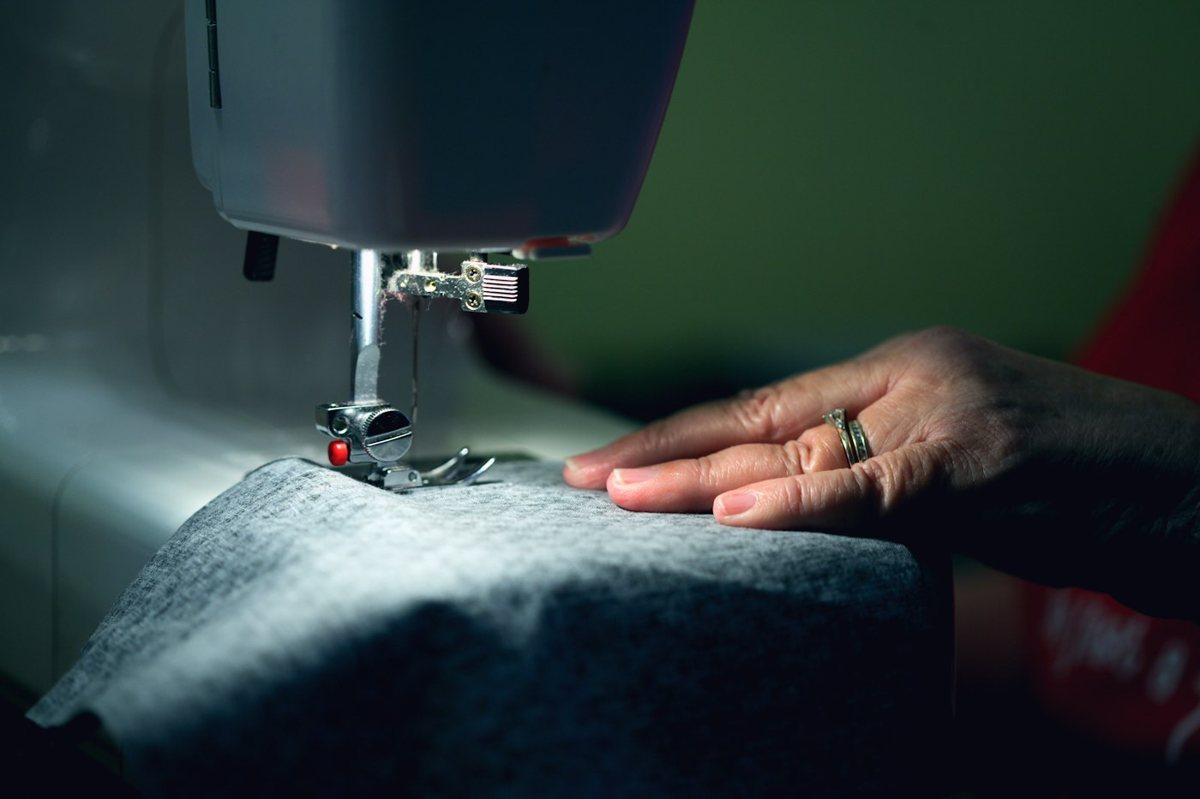
Embroidery comes with running costs that catch people off guard. Stabilizer, embroidery thread, bobbin thread and spare needles are all consumables, and a full set of thread colors adds up fast. I buy a starter set of the ten colors I use most and add more only when a project demands it. It is a small habit that keeps the hobby affordable.
Questions I Ask Before Recommending Anything
- Do you already sew, or are you starting from zero?
- Are your projects mostly gifts, clothing, or home decor?
- How large are the designs you picture stitching?
- Do you have a computer or tablet for design files?
Your answers usually point clearly to one of the three options. If you are still stuck, start with a solid sewing machine and add embroidery later. That way you never pay for features you are not ready to use, and the first machine remains useful for years.