Home
Home Sewing, Embroidery & Serger
 Cutting machines
 Dress Forms
 Brands
 Review

I cut fabric by hand for years, and I was proud of my steady rotary cutter technique until I had to cut sixty identical appliqué pieces for a costume. By piece thirty my wrist ached and my shapes were drifting. That project is what made me try a fabric cutting machine, and it changed how I plan projects.
What a Rotary Cutter Does Well
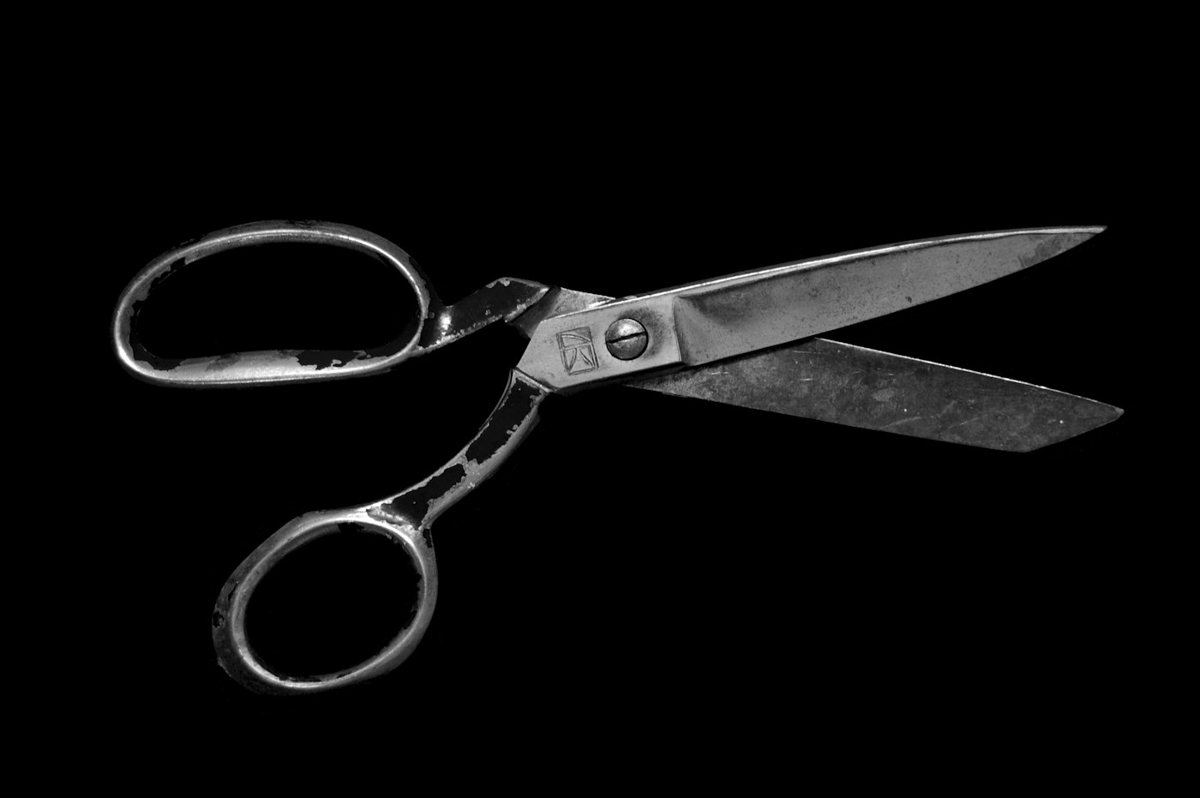
A rotary cutter is cheap, quiet and needs no setup. For straight lines through a stack of quilting cotton it is hard to beat, and it works with any ruler and mat you already own. It is also the right tool for one-off cuts, because there is nothing to program and no die to buy.
Its weakness is repetition. Accuracy depends on your hand, your ruler and your patience, and small errors compound when you are making dozens of matching pieces. I also found that curves and small shapes are far harder than straight lines.
Where Cutting Machines Pull Ahead
Cutting machines shine when you need the same shape many times. There are two families. Electronic machines such as the Cricut Maker line use a rotary blade guided by a design on your computer or phone, so you can cut any shape you can draw. Hand-crank machines such as the AccuQuilt GO! series press fabric against a die, and every piece comes out identical.
I use an electronic machine when I need custom lettering or shapes, and I reach for a hand-crank cutter for quilt squares. The crank cutter needs no power or software, which makes it ideal for workshops and small spaces.
Less Waste, Less Frustration
Accurate cutting means less wasted fabric, and that matters more than most sewists realize. According to the U.S. EPA, textiles made up about 5.8 percent of municipal solid waste generated in 2018, roughly 17 million tons, and only around 14.7 percent of it was recycled. I cannot fix that on my own, but I can stop throwing away good fabric because of a bad cut. Nesting shapes on the mat, which the design software does automatically, saved me a surprising amount of scraps.
Fabric Needs a Little Prep
Whichever tool you choose, prepare the fabric. Press it, and for electronic machines use a bonding or stabilizing backing so the blade does not push loose weaves around. A rotary blade cuts felt and cotton cleanly, but loose weaves and stretchy knits need extra support. I learned this by ruining a sheet of chiffon before I tried backing it.
Picking the Right One
- Custom shapes and lettering: choose an electronic machine.
- Repeated quilt shapes: choose a hand-crank cutter with dies.
- Occasional straight cuts: a rotary cutter and ruler are enough.
- Traveling to classes: a portable crank cutter is easiest.
We tested current electronic and crank-style machines and ranked them in our best fabric cutting machines guide. If you are new to sewing altogether, our beginner sewing machine guide pairs well with a cutter, because accurate pieces make every seam easier.
A Quick Story About Accuracy
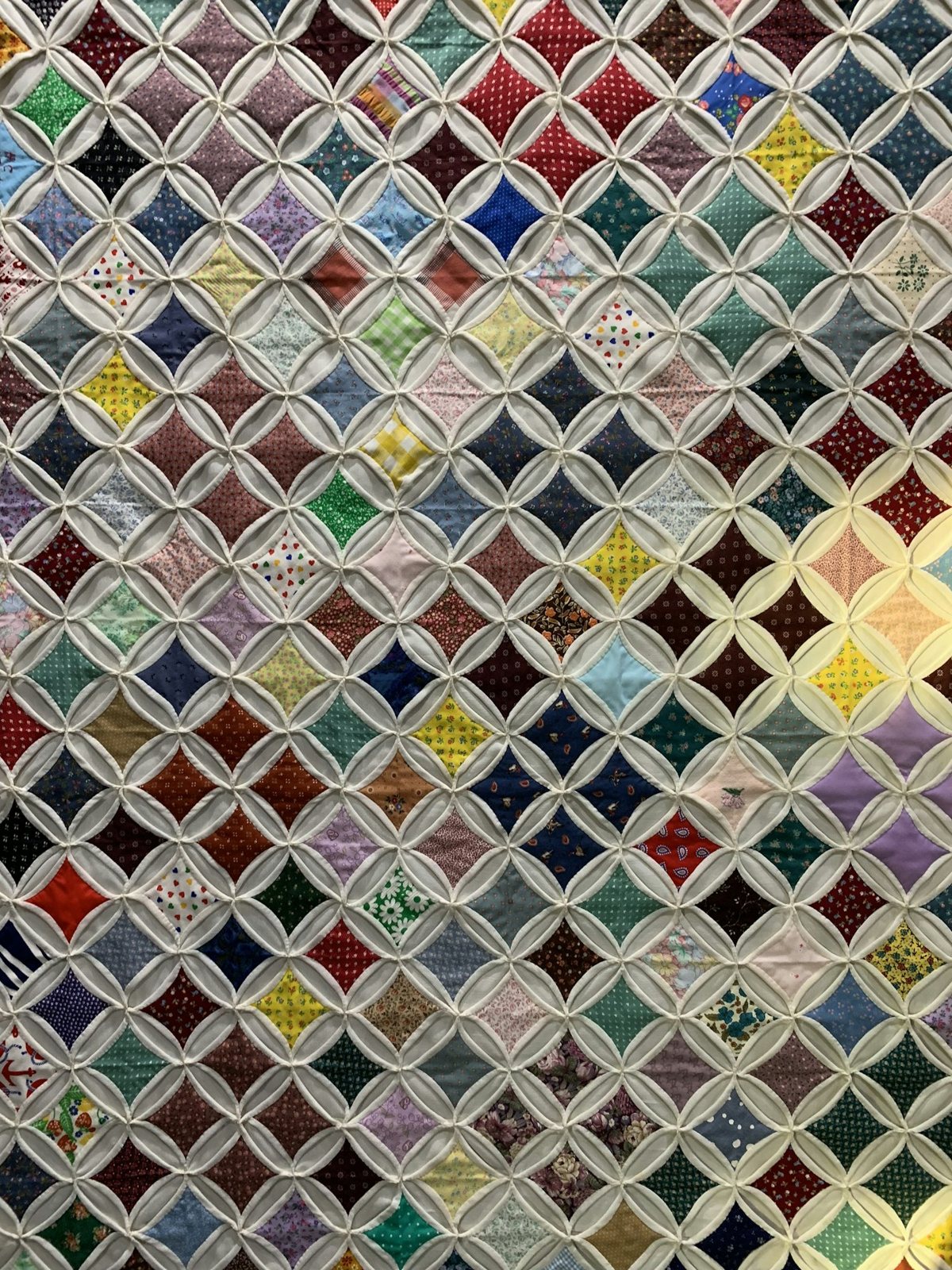
Last spring I made a quilt from small squares and cut half of them by hand and half with a crank cutter as a test. The squares from the cutter lined up almost perfectly, while my hand-cut squares needed frequent trimming during piecing. Corners matched, seams stayed straight and the finished top lay flat. Over the whole quilt, I saved hours of correcting small errors, which is time I would happily spend sewing instead.
Things to Check Before You Buy
Think about where you will use the machine, how much you cut and what fabric you use most. Electronic cutters need a computer or phone and power, while crank cutters need only counter space. Dies for crank cutters add cost as your shape collection grows, so plan the shapes you will actually use. Also check which fabrics the machine handles well, because some need backing or bonding to cut cleanly.
Space and Storage
One thing reviews rarely mention is where the machine lives. An electronic cutter needs room for its mat to travel in and out, and dies for a crank cutter need somewhere dry and flat. I keep my dies in a shallow drawer under the sewing table, and the cutter sits on a small folding table that I pull out only for cutting days. Plan your space first and the machine will fit into your routine instead of taking it over.
My Setup Today
I still keep a rotary cutter within reach, because it is the fastest tool for a single cut. But for repeated shapes I now reach for the machine every time. My wrist thanks me, my shapes match, and my scrap bin is much emptier than it used to be.
Final Thought
There is no single right answer, and I still cut some fabric by hand. But if you make costumes, quilts or anything with repeated pieces, a cutter earns its place quickly. Start with the tool that matches your most common project, and you will feel the difference within a single afternoon of cutting.