Home
Home Sewing, Embroidery & Serger
 Cutting machines
 Dress Forms
 Brands
 Review

My first sewing machine died after two years, and I blamed the machine. When a repair tech opened it, he showed me a wad of lint in the bobbin area the size of a cotton ball. Two years of neglect had cost me a machine. Since then I have followed a simple maintenance routine, and I have not had a breakdown in ten years.
Why Maintenance Matters
Lint is the biggest enemy of any sewing machine. Fabric fibers pack into the feed dogs and bobbin case, slow the machine, cause skipped stitches and eventually wear the moving parts. The New Mexico State University Extension publishes a sewing machine maintenance guide that makes the same point: regular cleaning and proper oiling keep a machine running well and extend its life.
Every Few Hours: Clean the Lint
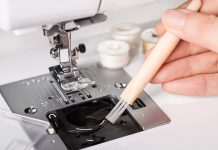
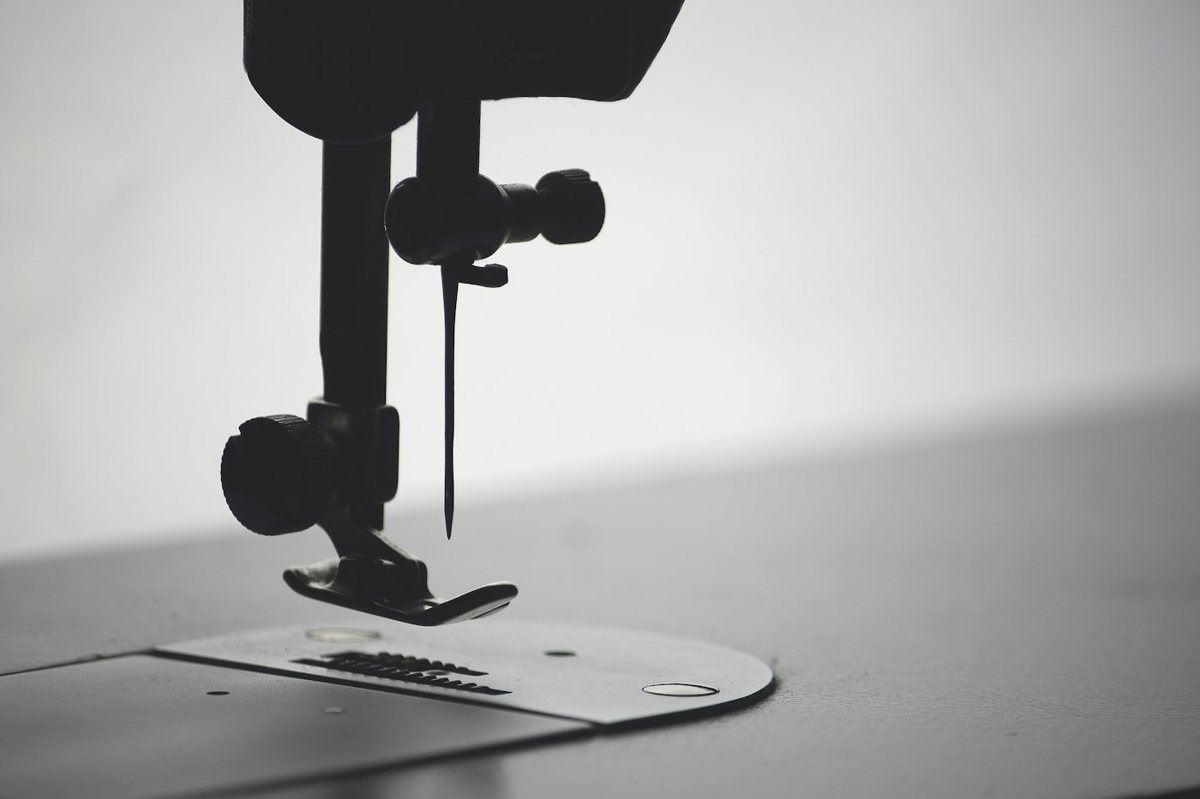
After every couple of bobbins, remove the needle plate and brush out the lint around the feed dogs and bobbin case. Use a small brush rather than compressed air, because air blows lint deeper into the machine. Fluffy fabrics such as flannel, fleece and batting shed the most, so I clean right after any project with those.
Every Project: Change the Needle
A dull needle causes skipped stitches, snagged fabric and puckered seams. Most sewing guides suggest changing the needle after roughly eight to ten hours of sewing, and I make it a habit to swap it at the start of each new project. It costs almost nothing and prevents a lot of frustration.
Monthly: Oil, but Only If Your Machine Needs It
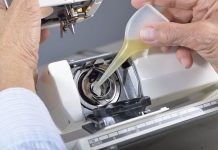
Not every machine needs oil. Many modern models have drop-in bobbins and sealed parts that are lubricated at the factory, and oiling them can do harm. Check your manual first. If it calls for oil, use only sewing machine oil, place a drop or two where the manual shows and run the machine for a minute on scrap fabric to spread it.
Yearly: Professional Service
Computerized machines have circuit boards and motors that you cannot service yourself. I take mine to a certified technician about once a year, and it costs far less than replacing a machine. If you sew every day, consider service more often.
Small Habits That Add Up
- Cover the machine when you are not using it to keep dust out.
- Use good thread, because cheap thread sheds lint quickly.
- Never pull fabric through the needle, because it bends the needle and can damage the timing.
- Rethread completely if the tension looks wrong, before touching any dials.
Warning Signs to Watch For
If your machine sounds louder than usual, skips stitches with a fresh needle or bunches the thread underneath, stop and check for lint before anything else. Nine times out of ten, a thorough cleaning fixes it. If it does not, it is time for a service visit.
What You Need in a Maintenance Kit
You do not need much. A small brush and a seam ripper for lifting stubborn lint, a screwdriver that fits your needle plate, a packet of new needles and a bottle of sewing machine oil cover almost everything. I keep them in a small box beside the machine so cleaning takes two minutes and never gets postponed. If your machine has a removable bobbin case, lift it out at the same time and check for stray threads wound around the shaft.
A Simple Schedule You Can Copy
After every few bobbins, I brush out the lint. At the start of every project, I put in a new needle. Once a month, I oil the machine if the manual says to, and I wipe down the outside with a soft cloth. Once a year, I take it to a technician. That is the whole routine, and it takes less than ten minutes a month. It is far cheaper than a repair bill.
Use the Right Supplies
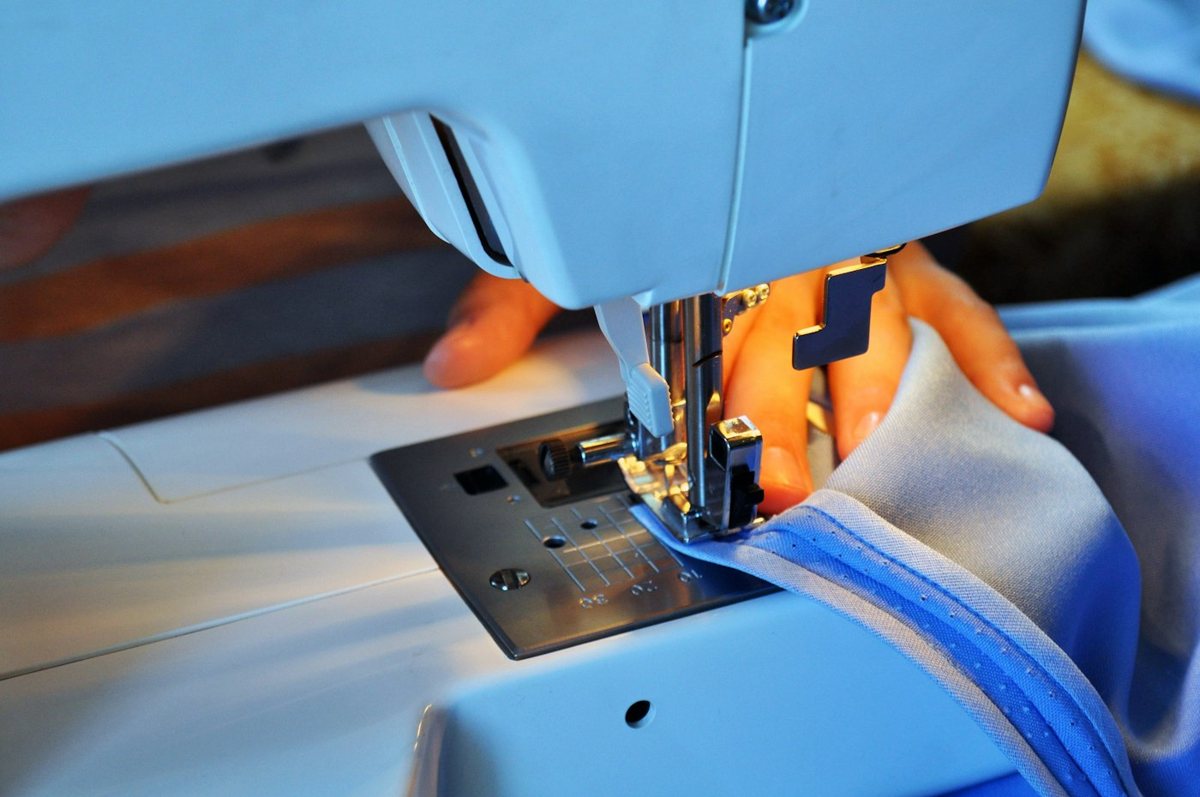
Matching supplies to your machine prevents problems. Use the needle type and size your fabric calls for, and stick with good quality thread, because cheap thread leaves lint behind and breaks under tension. Store bobbins that fit your machine, since the wrong size can jam the feed. These small choices cost almost nothing and save a great deal of frustration over time.
Start With a Machine That Is Easy to Care For
Some machines are simpler to clean and maintain than others. Drop-in bobbins, removable needle plates and clear manuals make routine care much easier. Our guide to the best sewing machines for beginners lists reliable models that are easy to look after. Add a few minutes of care to each project and your machine will reward you for years.
The Payoff
Good care is the cheapest way to stretch a machine budget. A few minutes of cleaning after each project keeps stitches even, keeps repairs rare and lets you sew with confidence. I would rather spend ten quiet minutes with a brush than an afternoon waiting on a repair shop, and I suspect you will feel the same once the habit sticks.