Home
Home Sewing, Embroidery & Serger
 Cutting machines
 Dress Forms
 Brands
 Review

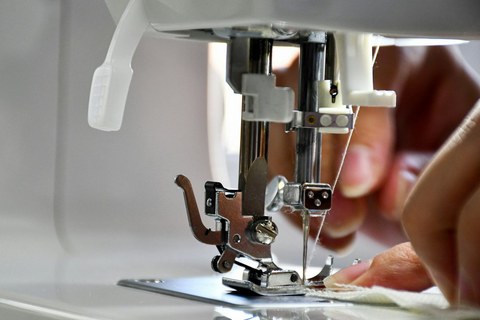
The first time I finished a knit t-shirt on my regular sewing machine, it looked great on the hanger and came apart the moment I pulled it over my head. The seams had popped. That little disaster is what finally pushed me toward a serger, and it is also the reason I get asked the same question at every sewing meetup: do you actually need both machines?
Short answer: no, not at first. Longer answer: it depends on what you sew, and I will walk through how I decide.
What a Serger Actually Does
A serger, also called an overlocker, trims the fabric edge, wraps thread around it and stitches, all in one pass. The stitch it makes is called an overlock stitch, and unlike the straight lockstitch on a home machine it has plenty of give, so seams stretch with the fabric instead of snapping. That is why every store-bought t-shirt, legging and swimsuit is finished this way.
The other big feature is differential feed. Knits stretch as they run through a machine, and when the fabric relaxes you are left with wavy seams. As Threads Magazine explains, differential feed lets two sets of feed dogs move at different speeds so the machine can gently compress or stretch the fabric as it sews, keeping seams flat. Once I started adjusting that dial, my knit seams stopped rippling.
What a Sewing Machine Still Does Better
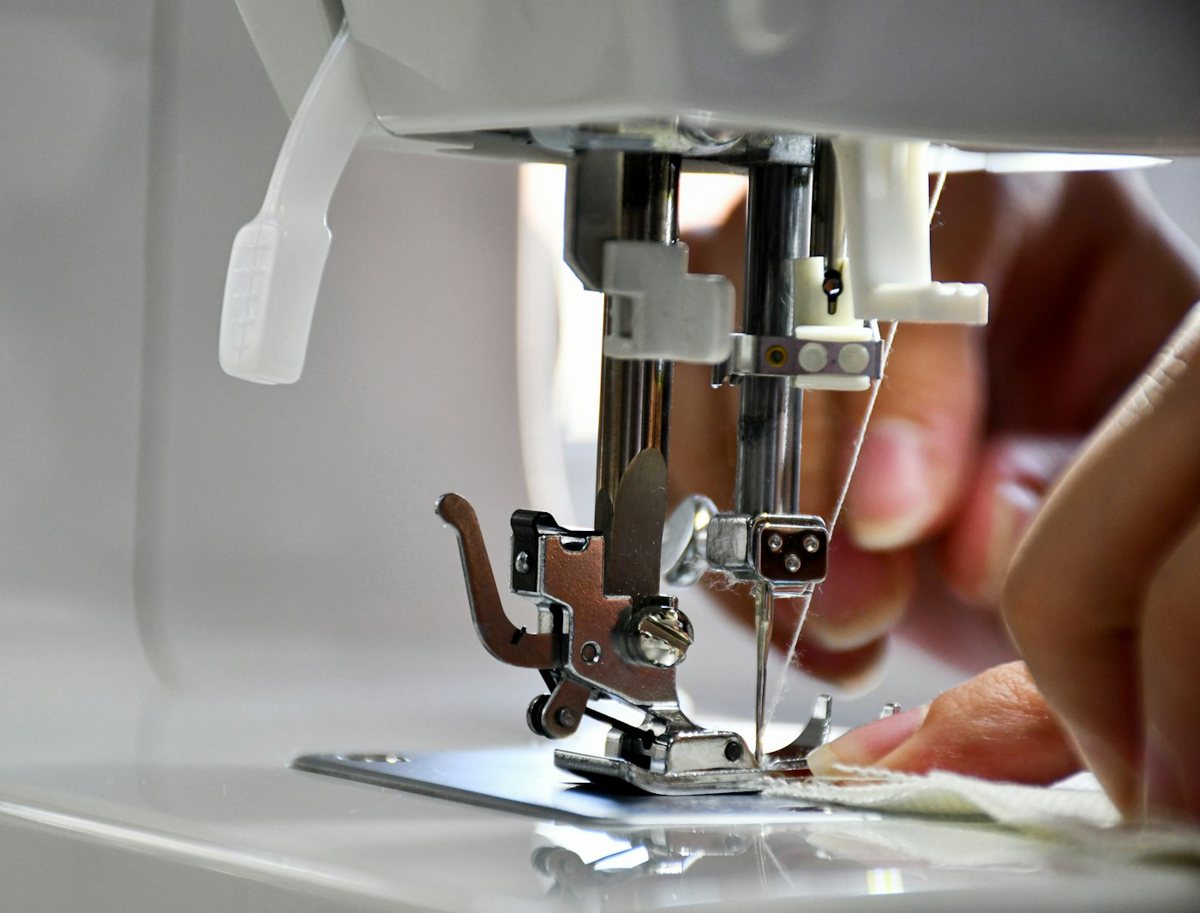
A serger cannot do everything. It has no bobbin, it cannot sew a zipper in neatly, it does not make buttonholes, and it cannot topstitch or sew a single line of stitching. Anything that needs precision, such as setting sleeves, making buttonholes or sewing curved details, still belongs on a regular machine. I use my sewing machine for construction and my serger for finishing, and I would never give up the first for the second.
That is why I always tell beginners to start with a good sewing machine. Our guide to the best sewing machines for beginners covers the models I actually recommend, from simple mechanical machines to computerized ones with plenty of stitches.
When a Serger Starts to Make Sense
I added a serger once I noticed three things in my own sewing. First, I was making more knit garments and hated how zigzag stitches looked. Second, my seams inside woven clothes were fraying in the wash. Third, I was spending far too long finishing edges by hand. If any of that sounds familiar, a serger will pay for itself in time saved.
It also helps if you sew costumes. Lightweight fabrics such as chiffon and satin fray badly, and a rolled hem on a serger makes ruffles look neat in seconds. Our roundup of the best serger machines lists the ones I trust, including a beginner-friendly model with color-coded threading that I recommend most often.
Cost and Space
A decent serger costs about as much as an entry-level sewing machine, and it takes up a similar amount of desk space. Threads also add up, because a serger uses several spools at once and burns through thread quickly. I keep a few neutral cones on hand for everyday finishing and buy colors only when a project needs them.
The Learning Curve
Threading is what scares people. The American Sewing Guild has a helpful serger Q&A on threading and securing thread ends, and I found that reading it before my first project saved me an afternoon of frustration. My advice is to thread the machine slowly with the manual open, use a different color for each thread path while you learn, and do not cut the old threads out. Tie the new threads to the old ones and pull them through.
A Real Project That Settled It for Me
Last winter I made a set of stretch velvet costumes for a school play. On the sewing machine alone, every seam rippled and three popped during the first dress rehearsal. On the serger, the same seams sat flat, stretched with the fabric and survived two performances of enthusiastic dancing. It took me roughly half the time, because I trimmed and finished the edges in a single pass instead of sewing, trimming and zigzagging as separate steps. That was the moment the machine paid for itself.
Mistakes I See New Serger Owners Make
The most common one is expecting the serger to replace the sewing machine, which leads to frustration when it cannot topstitch or install a zipper. The second is skipping the practice scraps and going straight to a real garment. The third is cutting seam allowances too narrow, so the blade trims into the seam itself. Leave the allowance the pattern gives you, and only trim the fraying edge.
My Recommendation
If you are brand new to sewing, buy a sewing machine first and learn it well. Add a serger once you are regularly sewing knits or want cleaner insides on your garments. If you already sew a lot, a serger is one of the few purchases that changes how your finished projects look and feel.
My own rule: sew with the sewing machine, finish with the serger. Together they turn a homemade garment into one that looks and wears like something from a store, and that has been worth every bit of the extra thread I go through.