Home
Home Sewing, Embroidery & Serger
 Cutting machines
 Dress Forms
 Brands
 Review

I have talked friends out of at least four sewing machine purchases at the last minute, and every time it was because a sale price had done the thinking for them. A good discount on the wrong machine is still a waste. Before Black Friday, here is the checklist I use, in the order I use it.
1. Decide What You Will Sew
Write down your next five projects. Garments, quilts, bags, costumes and home decor all place different demands on a machine. Heavy fabrics need strong motors and good presser feet. Delicate ones need fine stitch control. If you sew mostly hems and repairs, you need far less machine than someone making full outfits every month.
2. Be Honest About Your Skill Level
Beginners benefit from simple controls, clear threading guides and a forgiving needle threader. Advanced sewists want speed control, more stitch options and tension adjustments. My beginner machine guide covers the first group, and my sewing and embroidery machine guide covers people who want to grow into both crafts.
3. Decide If You Need Embroidery or a Serger
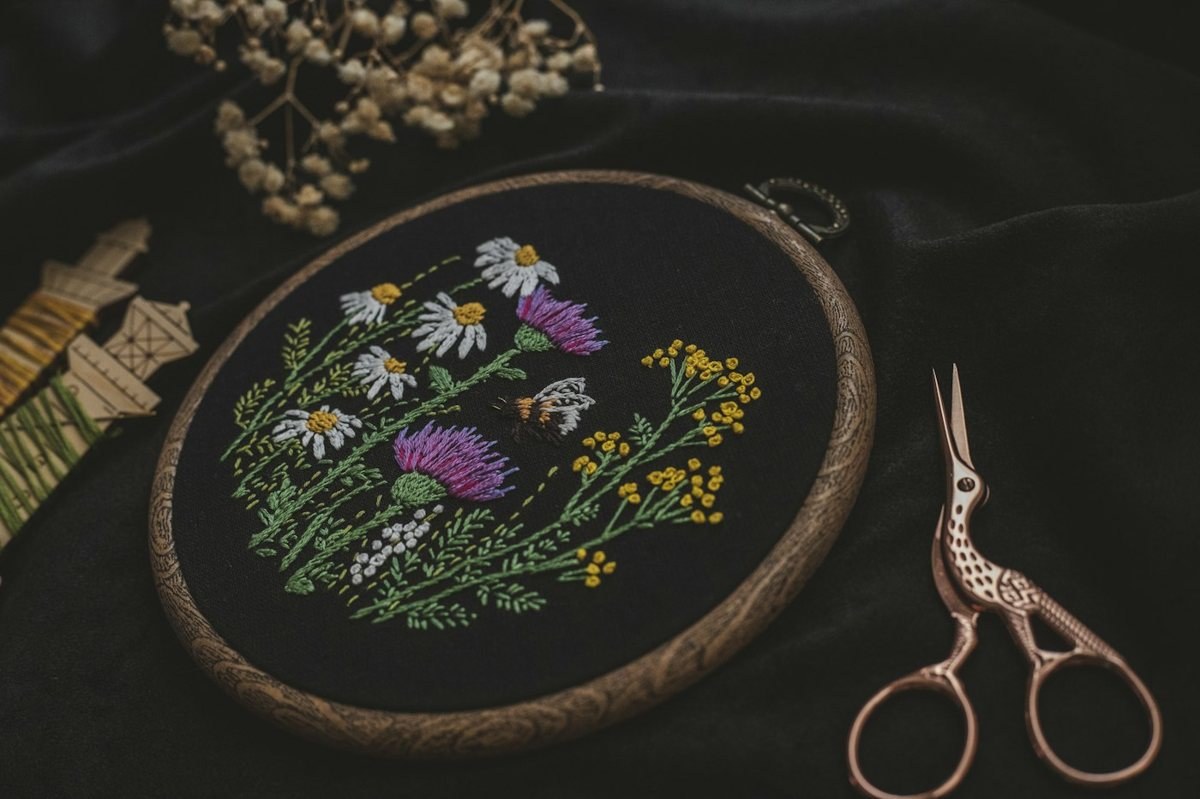
These are separate tools with separate jobs. Embroidery adds decorative stitching and monograms, while a serger trims and finishes seams. Many people assume one replaces the other, and it does not. I explain the difference in my serger guide. If your budget is tight, buy the best sewing machine you can and add the specialist machine later.
4. Check the Feet and Accessories
A machine that ships with a decent set of presser feet saves you money later. Look for a zipper foot, a buttonhole foot, a walking or even-feed foot for layers, and a blind hem foot. Confirm that replacements are easy to find, because a model with an odd foot shape can become expensive to accessorize.
5. Look at Build and Weight
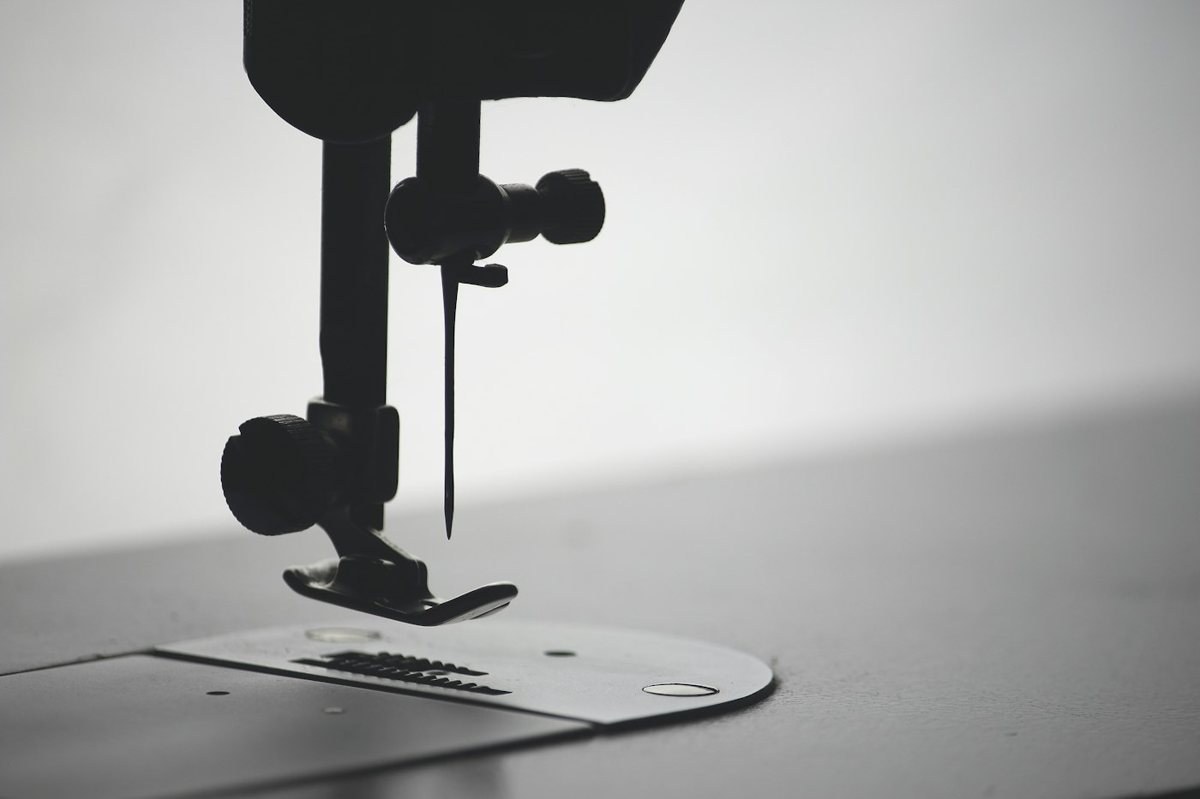
Heavier machines usually vibrate less and last longer, while very light plastic ones can skip stitches on thick fabric. You do not need an industrial machine, but the case and internal frame should feel solid. If you carry the machine to classes, balance weight against portability.
6. Check Support and Repairs
Find out where you can get the machine serviced. A brand with local dealers and a clear warranty is worth more than a slightly cheaper unit you would have to mail away. Ask about the length of the warranty and what it covers, and keep the receipt somewhere safe.
7. Read Reviews for Patterns
One bad review means little, but the same complaint repeated ten times means something. Search for terms like thread jam, tension problems and noise in the reviews. Check how the company responds. Good brands answer complaints and fix problems.
8. Try Before You Buy If You Can
Visit a dealer and sit at the machine. Feel the foot pedal, the stitch selector and the lighting. Machines that look identical on paper can feel completely different in use. Bring a scrap of your usual fabric and sew a test seam.
Set a Ceiling and Stick to It
Decide on a maximum before you start shopping and write it down. Sales are designed to make a slightly more expensive model look reasonable, and it is easy to drift up by a few steps. Remember to include the cost of a cover, extra needles, bobbins and a few specialty feet. A machine that fits your budget with room for those extras beats a stretch purchase every time. A few extra minutes of checking now can save you from returning a heavy box in January.
Have a Plan for the First Week
Before the box arrives, pick a first project, gather the fabric and read the manual. New machines reward patience. Thread it carefully, test stitches on scraps and adjust tension slowly. Many early problems come from threading mistakes, not faulty machines, so do not judge the machine until you have followed every step.
9. Judge the Deal Honestly
Decide on your shortlist first, then watch for discounts on those models. Compare prices at several retailers and confirm you are buying the exact same model. Bundles that add cheap extras to inflate the value are rarely as good as they look. Prices change often, so check listings on the day you buy.
Bring It Together
If a machine matches your projects, fits your skill level, comes with useful feet, feels solid, has support nearby and shows a consistent review record, it is a good buy at a sale price. If it fails two or three of those, skip it, no matter how big the discount looks. The right machine is the one you will actually enjoy using next year, not the one that was cheapest in November.