Home
Home Sewing, Embroidery & Serger
 Cutting machines
 Dress Forms
 Brands
 Review

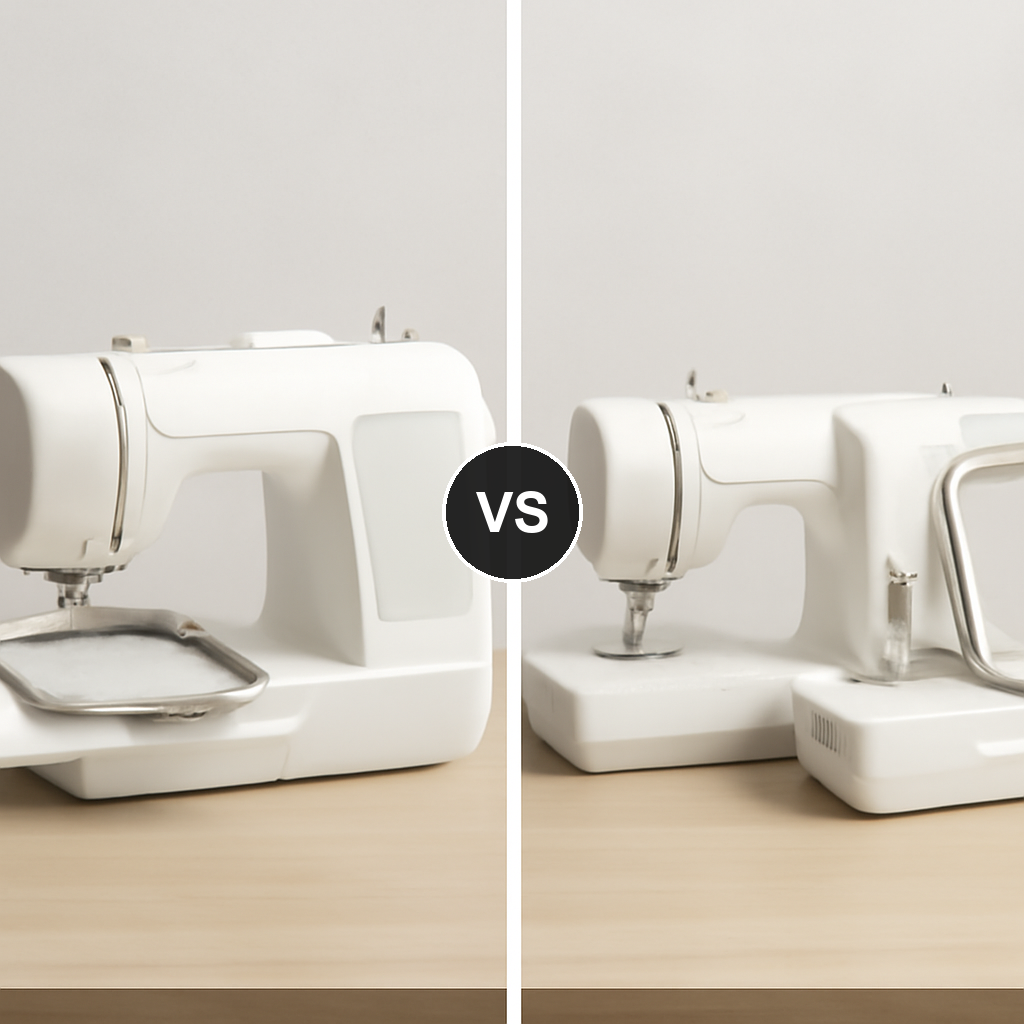
You’re weighing a combo machine against two separate units for sewing and embroidery. Smart. The right choice hinges on how you work, not just spec sheets. Below, you’ll see what a combo truly gives up, where it shines, when separates are the better tool, and a practical way to decide for your room, routine, and project mix. Focus on uptime, hoop limits, stitch control, and switching overhead—because those are the levers that actually change your day-to-day results.
What a combo machine actually gives up
A combo machine consolidates two jobs into one chassis, and that introduces real compromises you should plan around:
- Single-task limitation: You can’t sew while the machine is embroidering. If embroidery ties up your only machine for hours, everything else waits.
- Hoop and throat constraints: Many combos cap out at a mid-range embroidery field and moderate harp space. Larger quilts and oversized monograms may require re-hooping or workarounds you wouldn’t need on specialized gear.
- Color-change overhead: Most combos are single-needle for embroidery, so every color shift means a thread change and a pause. Dedicated multi-needle units handle this more efficiently.
- Module swapping and setup: Attaching the embroidery unit, leveling the hoop, and switching feet adds small chunks of time that add up when you bounce between tasks.
- Shared wear and service: One machine does all the work, so maintenance windows stop both sewing and embroidery. With separates, one can keep running while the other is in for service.
- Accessory flexibility: Ultra-specialized feet, extra-wide tables, cap frames, or jumbo hoops are often easier to source and use on dedicated platforms.
None of these are dealbreakers, but they’re the real-world friction points you feel once the honeymoon ends.
Where combo machines genuinely win
Combos deliver strong advantages when your priorities are space, simplicity, and consolidated capability:
- One footprint, less clutter: If your table is tight or you sew in a shared room, a single chassis plus a stowable embroidery module is hard to beat.
- Unified interface and learning: You master one screen, one menu system, one set of quirks—then move faster because muscle memory carries across tasks.
- Consolidated cost and features: Compared with buying two separate mid-tier machines, a capable combo often nets you advanced conveniences in one purchase, and upgrades are simpler to manage.
- Immediate creativity: Built-in designs, on-screen editing, jump-stitch trimming, and decent default settings help you go from cut fabric to stitched motif without a tangle of software or extra hardware.
- Growing ecosystem: A Global Market Insights report values the computerized sewing and embroidery machine category at about USD 2.3 billion for 2024, projecting roughly USD 3.8 billion by 2034 at a 5.2% CAGR—evidence that features and support in this space keep accelerating.
If you want a curated shortlist, see top sewing and embroidery combo machines to compare capability mixes and ergonomics that match your projects.
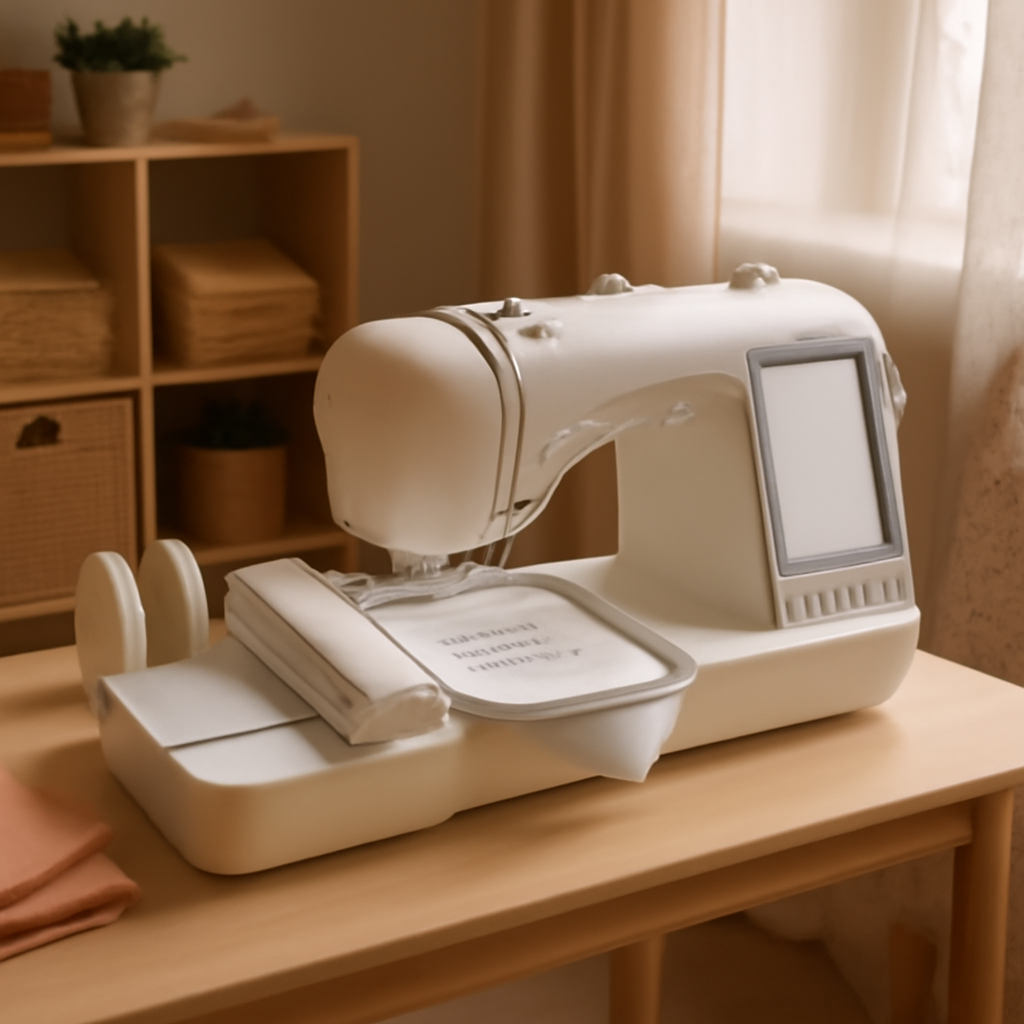
When separate machines make more sense
Choose separates if uptime, scale, or specialization matter more than consolidation:
- Parallel productivity: Embroider on one machine while you sew, press, or bind on another. This alone can compress turnaround on multi-step projects.
- Big-format work: Serious quilting benefits from a larger throat, beefier feed systems, and dedicated tables. Dedicated embroidery machines often support larger hoops, specialty frames, and more robust positioning.
- Color efficiency and speed: Multi-needle embroidery platforms reduce thread changes and streamline production embroidery, applique runs, patches, or cap work.
- Service resilience: If one unit goes in for maintenance, your other machine keeps your queue moving. That’s peace of mind during deadlines or shop commitments.
- Durability and tuning: You can tune each machine for its job—perfect garment seams here, rock-solid embroidery registration there—without compromise settings in the middle.
- Two users, one studio: A helper or family member can sew while you monitor an embroidery pass, which is invaluable when batching gifts or small-business orders.
If you routinely run long embroidery files, stitch dense designs, or finish queen-size quilts, the dedicated route usually pays back in smoother flow and fewer bottlenecks.
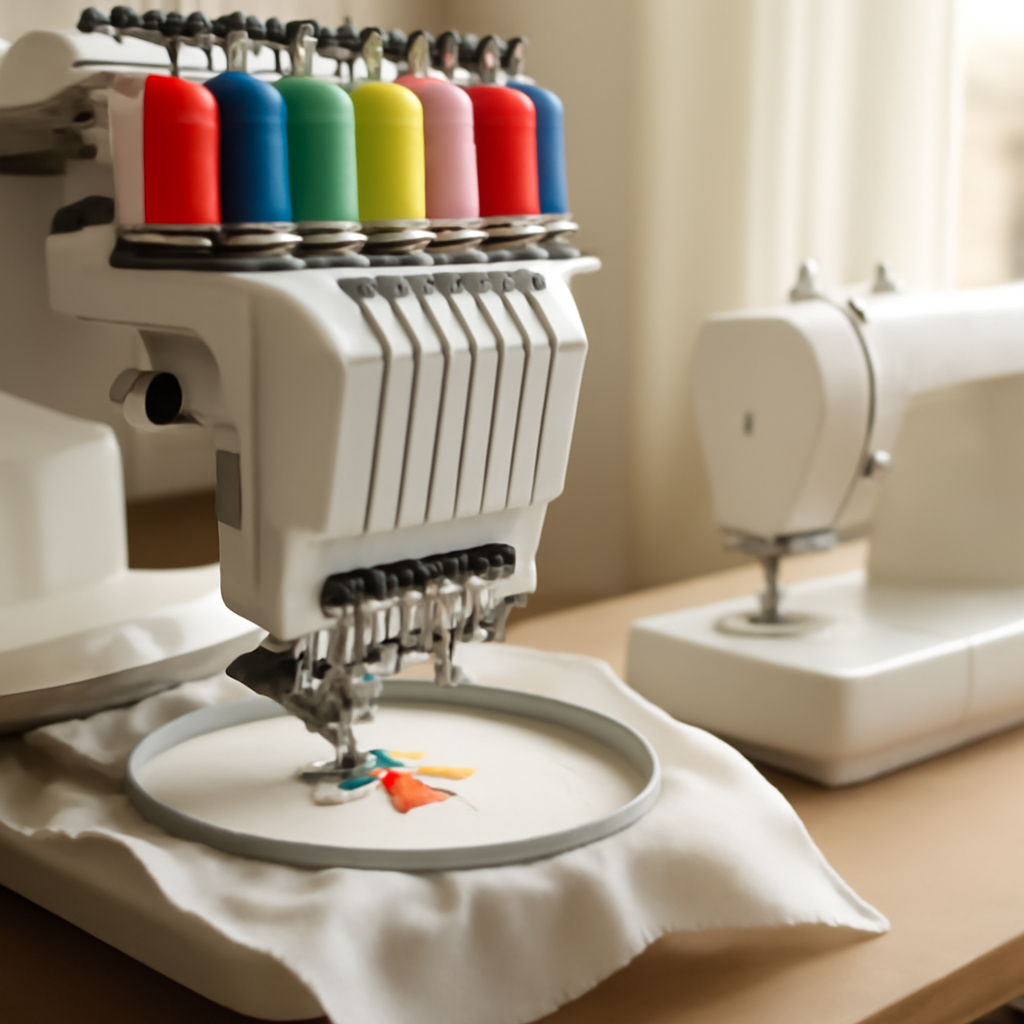
How to decide for your own space and workload
Map your reality, then match the tool:
- Project mix: Estimate your monthly hours: percent sewing vs. embroidery. If embroidery is an occasional accent, a combo is efficient. If embroidery dominates blocks of time, separates keep the rest of your queue moving.
- Space and mobility: Measure your table and storage. A combo saves footprint; two smaller machines may still fit if you use a folding table or offload one to a cart.
- Uptime tolerance: Ask how costly it is when your only machine is tied up or down for service. Low tolerance points to separates.
- Scale and formats: Consider hoop sizes you use now and aspire to. If you’re already piecing multiple hoopings, plan for a platform that removes that friction.
- Budget allocation: Instead of chasing maximum specs, fund the machine that addresses your biggest bottleneck. For many, that’s embroidery stability; for others, it’s garment finishing precision.
- Support and learning: Favor dealers, classes, and communities that support your chosen platform. A great setup with poor support feels average; a good setup with great support feels pro.
Write these as constraints on paper, rank them, and let the top three drive your choice. That’s how you avoid paying for features you won’t touch.
Both paths can be excellent. Combos win for compact, all-in-one creativity with a gentler learning curve. Separate machines win for uptime, scale, and specialization. Anchor the decision to your project mix, space, and tolerance for delays, then choose the configuration that removes your biggest bottlenecks. When tools match workload, you get cleaner stitches, steadier schedules, and more finished pieces—without second-guessing the purchase every time you sit down to sew or hoop.